Beautiful Ways to Bring Wood Accents Into Your Home
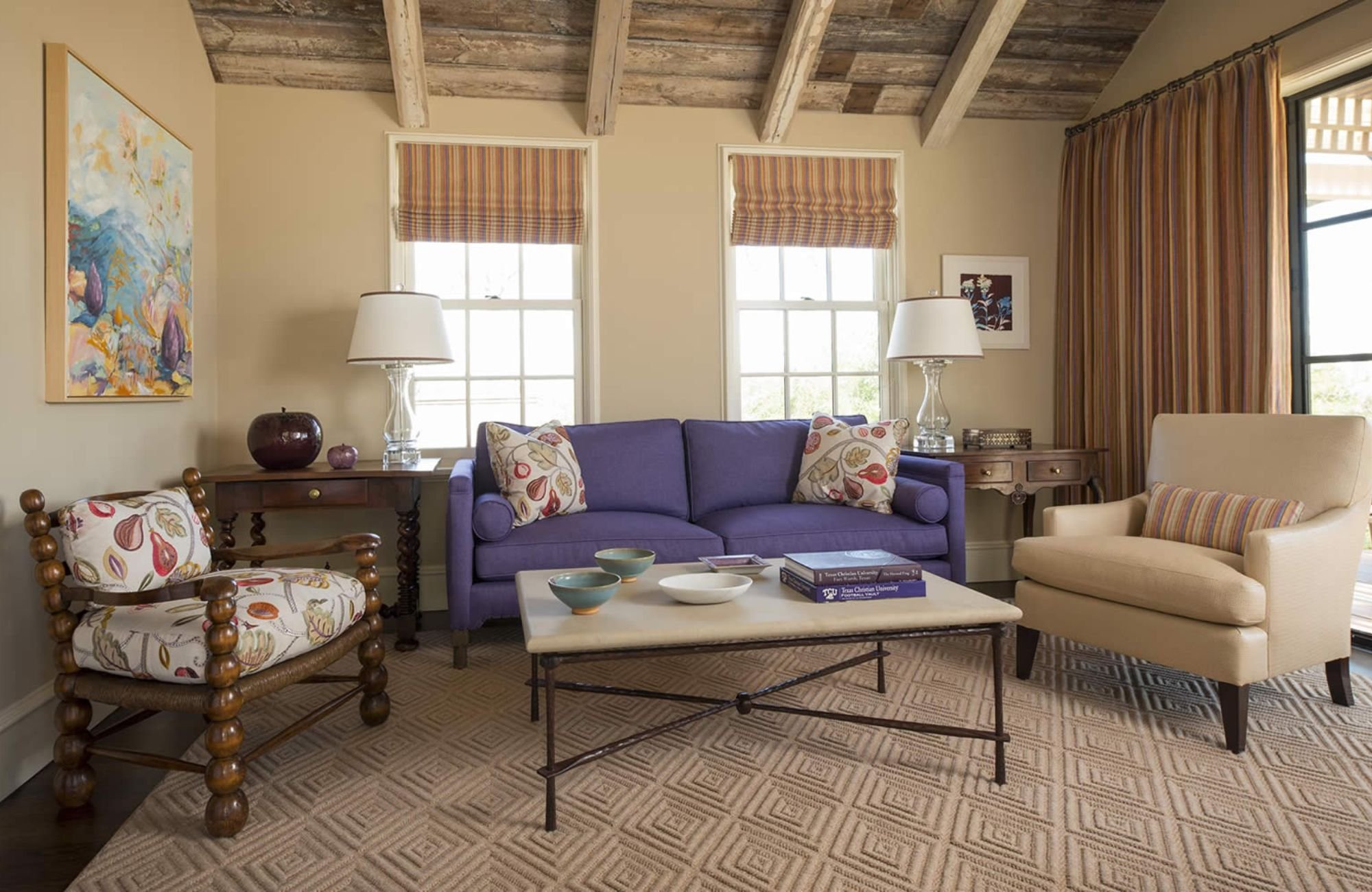
After years of designing homes across every style and investment, I've come to a firm conclusion: a room doesn't need more furniture to feel finished. It needs something with real weight and texture that the eye can rest on, and natural wood does that better than almost any other material I work with.
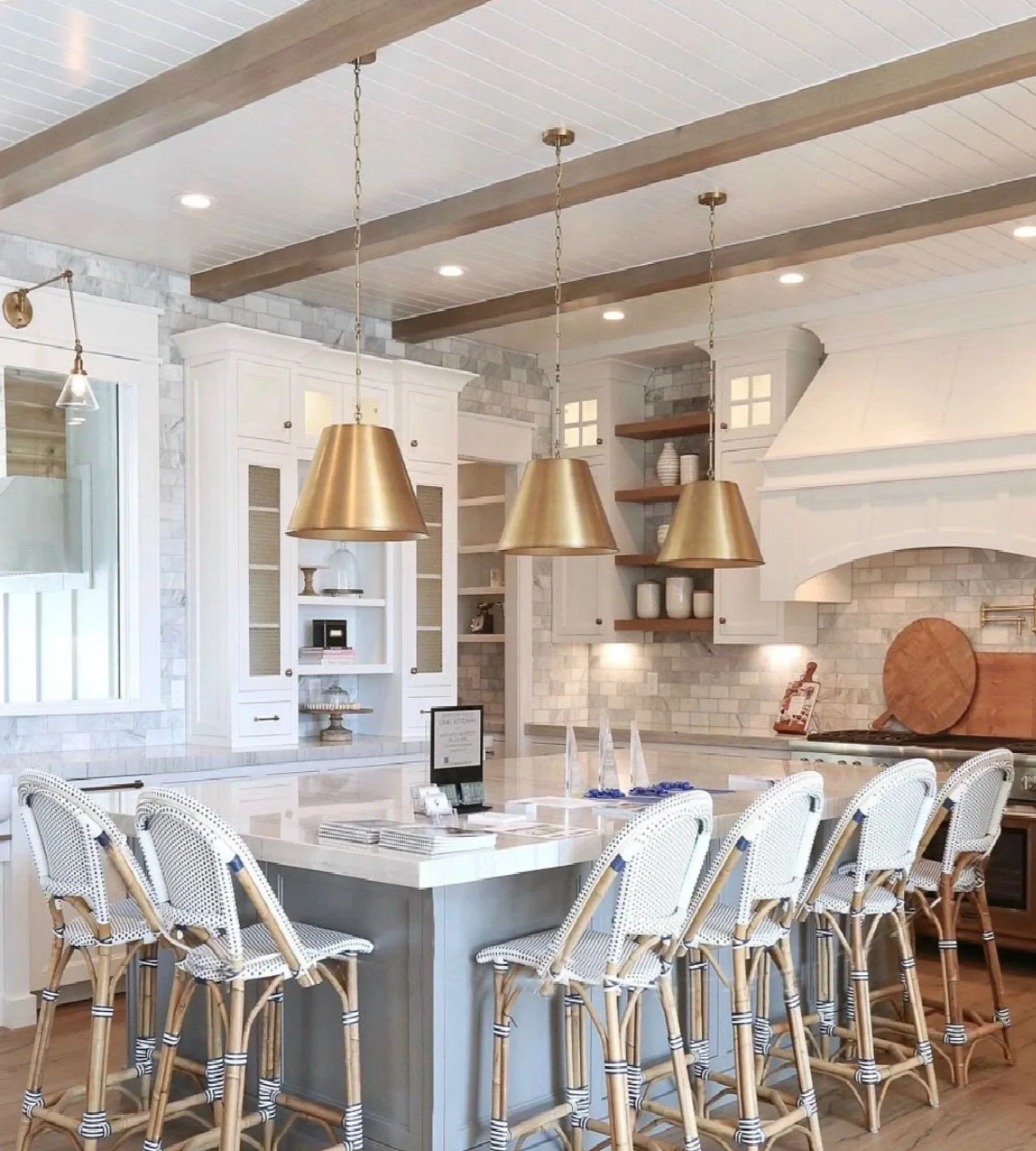
It shows up in the small moments as much as the big ones. A beam over a kitchen island. A mantel that anchors a living room. A bench where you sit to pull off your shoes at the end of the day. In my experience, wood used with intention — and planned for early, not as an afterthought — grounds a room the way nothing else quite can.
Beams, Mantels & Millwork
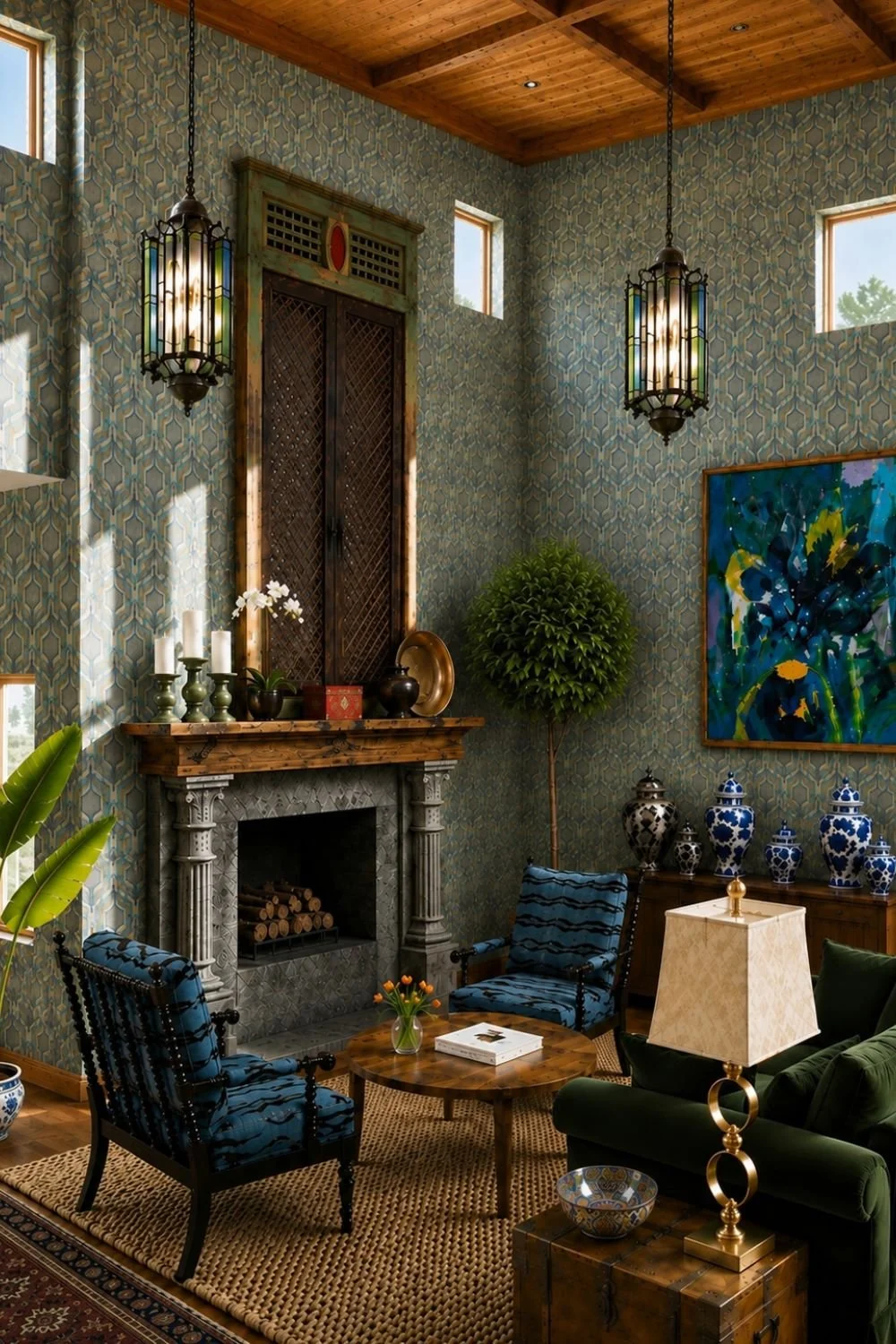
I personally love a beautiful mantel. A substantial wood mantel has a way of becoming the center of a room without trying too hard. It gives the eye somewhere to land and grounds everything built around it, from the art on the walls to the furniture arranged nearby.
That said, proportion matters here more than people expect. A mantel that's too delicate for a large fireplace surround will always look underwhelming, no matter how nice the material is, and vice versa.
Then, there are beams. Beams do something similar in rooms with tall ceilings. Whether they're structural or purely decorative, they break up open, empty overhead space and give a room a sense of scale it didn't have before. I love pairing them with clean, modern furnishings, since the contrast between something rustic overhead and something sleek below is part of what makes a space feel collected rather than staged.
Wall & Ceiling Treatments
Wood doesn't have to live only on the floor. Board and batten brings a crisp, tailored look to a dining room, bedroom, or hallway, and it works with nearly any style of home, from traditional to modern. Coffered ceilings do something similar overhead, adding depth and shadow to a room that might otherwise feel visually flat.
For a more relaxed feel, wood-planked ceilings are worth considering. A lighter tone gives a living room or porch an easy, breezy quality, while a darker plank leans more elegant, which I love using in a bedroom or a home office. The tone and width of the plank changes the entire mood of a room.
Note: This sort of design decision is best made with your interior designer, so you can see samples and even drawings or renderings in person before committing.
Functional Everyday Spaces
Some of my favorite wood moments show up in the rooms people use the most and think about the least. A wood bench in the mudroom holds up beautifully to daily traffic while giving the space texture it would otherwise lack. Floating open shelves built from the same material do double duty, offering storage that still feels intentional rather than purely utilitarian.
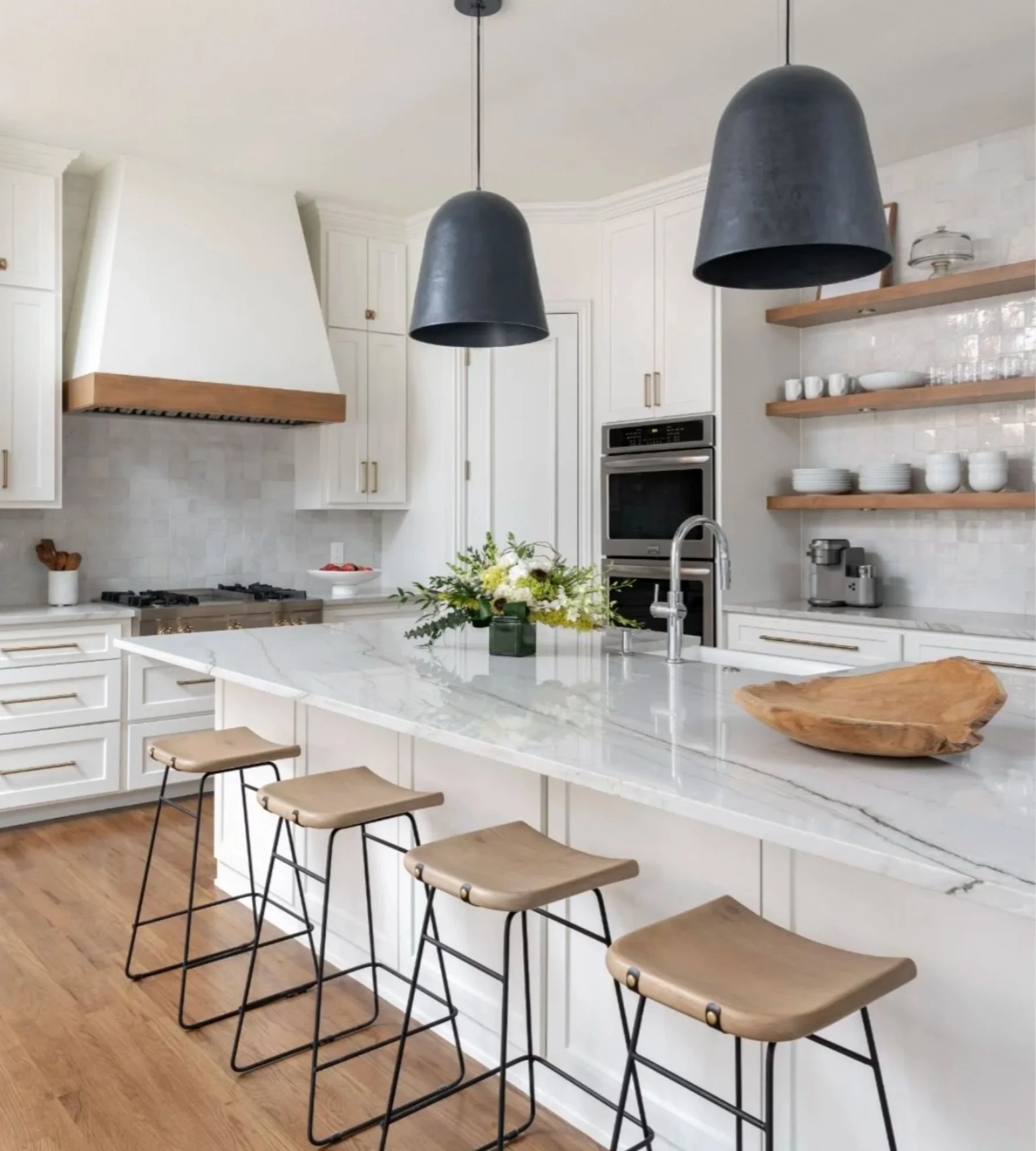
In the laundry room, a wood countertop makes folding laundry feel a little less like a chore, and in the kitchen, a butcher block island adds warmth next to all that stone and stainless steel. These are the details that make a house feel lived in, in the best possible way, and they're rarely the first thing a homeowner thinks to ask for.
Choosing the Right Wood for the Space
Not every wood accent calls for the same finish, and this is where I see homeowners get stuck most often when attempting it alone. A rich, dark wood tone can feel elegant in a formal dining room and heavy in a sunlit breakfast nook. A raw, unfinished beam might be exactly right for a farmhouse-style great room and completely out of place in a home leaning more contemporary.
I think through wood selection the same way I think through any other material: what's the architecture of the home already suggesting, and what does the client actually want the room to feel like day to day?
One of my longtime clients, Vivian, put it simply after we finished her kitchen and great room remodel. She said I gave her lots of ideas she'd have never thought of on her own. That's really the heart of it. Wood details like these are easy to overlook until someone points them out, and they tend to make a bigger difference than most homeowners expect.
Bringing Warmth Into Your Own Home
Wood accents work best when they're chosen with the whole room in mind, not added as an isolated decision after everything else is finished. The beam, the mantel, the bench by the back door: each one should feel like it was always meant to be there.
If you've been picturing more warmth in your own home and aren't sure where wood might fit, I'd love to talk through it with you. Reach out here, and let’s begin the conversation.
Warmly,
Adrienne