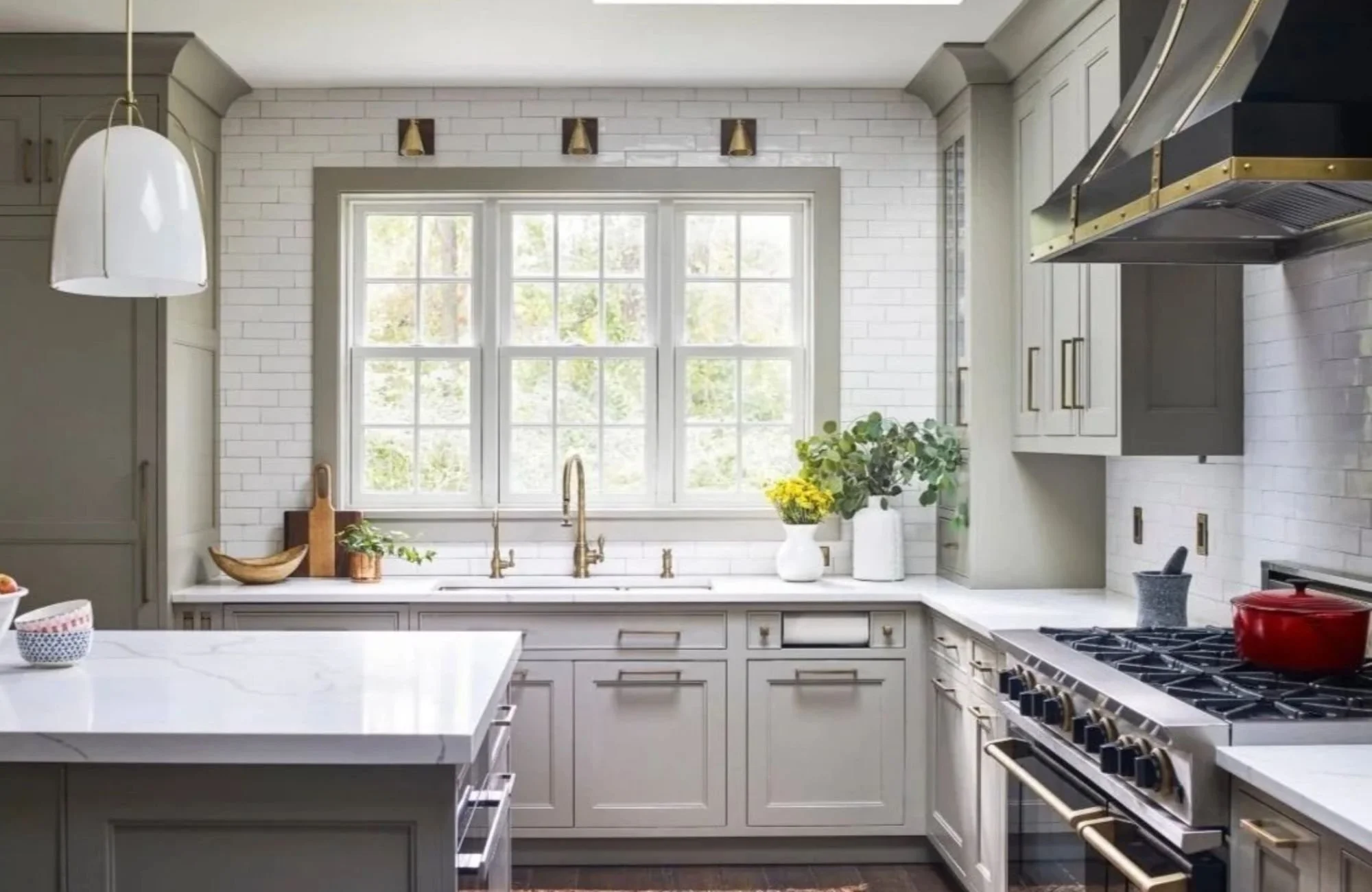
Choosing a countertop shouldn't feel complicated, and yet nearly every client tells me the same thing: they've saved dozens of photos, researched for weeks, and still can't confidently land on one material.
The problem usually isn't a lack of good options. It's too many good options, with no clear way to know which one actually fits daily life in that kitchen. A countertop is one of the most permanent, most visible decisions in a home, and during a kitchen renovation, choosing well takes more than personal preference. It takes understanding how a family really cooks, cleans, and gathers, which is exactly the kind of judgment call I help clients make with confidence.
Natural Stone: Timeless, With Some Upkeep
Marble is often the first material our clients ask about, and it's easy to understand why. Its veining is unmatched, and it brings a softness to a kitchen that's difficult to replicate with other materials. What many homeowners don't anticipate is that marble is porous and will etch over time from acidic foods like lemon or wine, developing a patina that some clients love and others find frustrating.
Granite offers a more forgiving alternative within natural stone, providing durability and heat resistance along with a wide range of natural patterns. It tends to suit clients who want the character of real stone without the more delicate upkeep that marble requires. When we visit the stone yard together to view slabs in person, we walk through both the beauty and the realistic maintenance of each option before any decision is finalized.
Quartzite has become one of my most frequent recommendations for clients who want the movement of marble without giving up daily durability. It's a natural stone formed under such intense heat and pressure that it rivals granite in hardness, while still offering the soft veining people fall in love with in marble. The one caveat I always mention is that not all stone labeled "quartzite" at the yard is created equal, since some softer varieties behave more like marble than true quartzite, which is exactly why I bring clients with me to see and touch the actual slab before we commit.
Soapstone tends to appeal to a very specific client: someone drawn to a matte, softer look with a rich, almost historic feel. It's naturally non-porous, so it resists staining without needing to be sealed the way marble or granite do, and it's remarkably heat resistant. Where it differs is in how it shows wear. Soapstone will develop scratches and a natural patina over time, and many of my clients who choose it are doing so because they want that evolving, lived-in character rather than a surface that looks untouched years later.
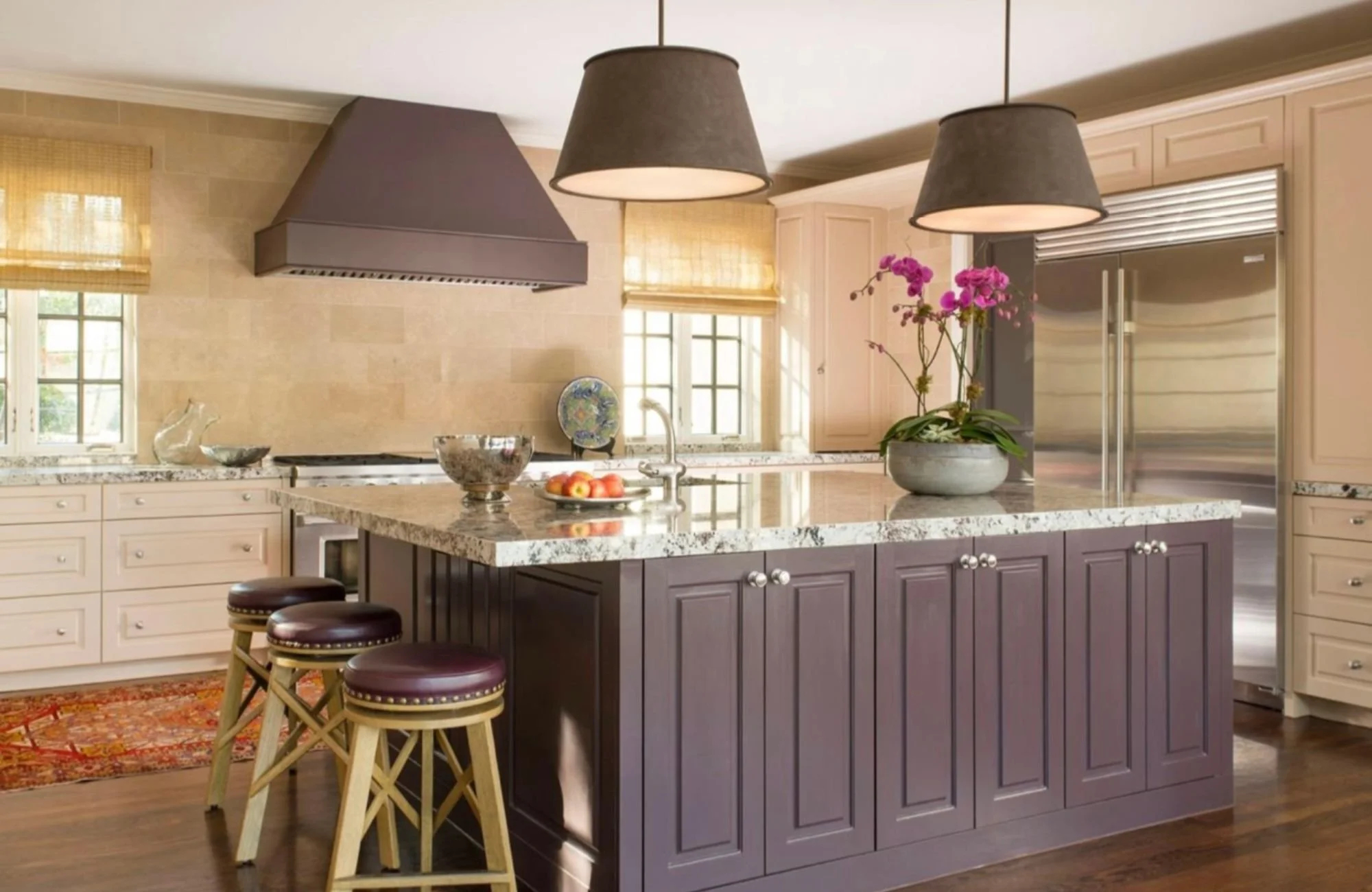
Engineered Surfaces for Everyday Durability
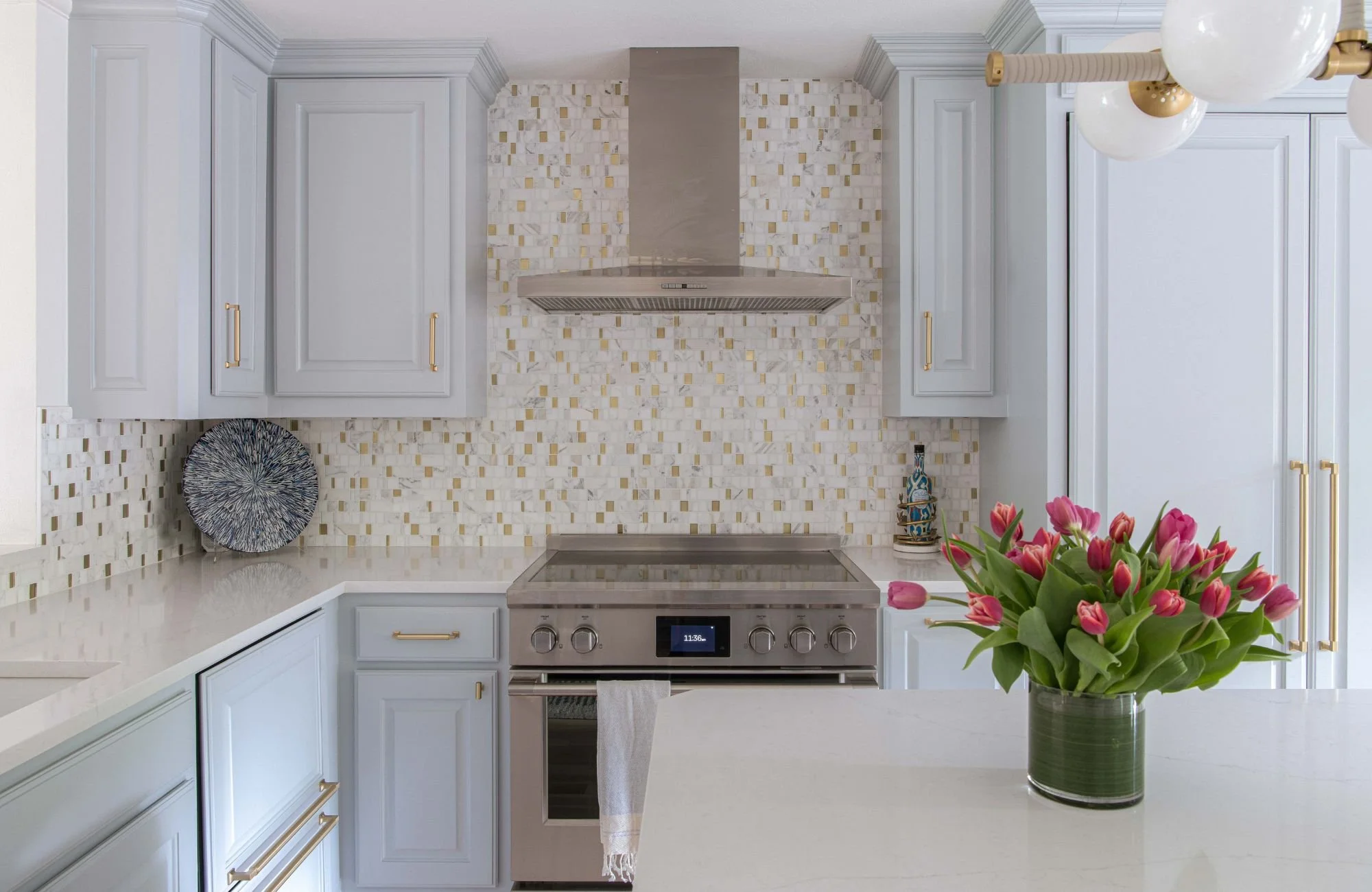
Quartz has become an increasingly popular choice among our clients because it offers the elegance of natural stone with far greater consistency and resistance to staining and etching, which makes it a practical option for a busy household. The tradeoff is that quartz can appear slightly more uniform than natural stone, since its veining is manufactured rather than naturally formed.
For clients who have a specific look in mind, whether that's the appearance of a dramatic marble or a clean solid surface, quartz gives us more control over the finished result. It's often the material we recommend when a family describes a full, active household and wants a kitchen that looks polished without demanding constant care.
Porcelain is the newest material I've started bringing into these conversations, and it's quickly become a favorite for a specific type of client. It's exceptionally resistant to heat, scratching, and UV fading, which makes it one of the few surfaces I feel confident recommending for an outdoor kitchen or a sun-drenched space without hesitation.
Porcelain slabs are also thinner and lighter than natural stone or quartz, which occasionally opens up design options, like waterfall edges or large-format islands, that would otherwise be heavier and more complicated to install. The one tradeoff worth knowing is that porcelain requires a highly skilled fabricator, since the material is less forgiving to work with than quartz, which is part of why I only source it through trade partners I already trust.
Sourcing Materials Beyond the Showroom Floor
As with backsplash and tile selections, big box retailers only carry a narrow slice of what's actually available in countertop materials. Through our trade-only resources, our clients gain access to slabs most homeowners never encounter on a typical showroom visit, allowing us to help select a surface that will look just as beautiful in ten years as it does the day it's installed.
How We Guide Clients Through This Decision
Before we view a single slab, we take time to understand how a client actually uses their kitchen. Do they cook daily, or mostly reheat? Are there young children who tend to leave cups sitting out? Do they host often, and if so, does the surface need to hold up to wine glasses and hot dishes set down without a trivet?
These conversations tell us far more than an inspiration photo ever could. We've worked with clients who arrived certain they wanted marble simply because it looked stunning in every image they had saved, only to land on quartz once we discussed their daily routine with young children underfoot. They achieved the elevated look they wanted, without the added stress of a spilled glass of juice.
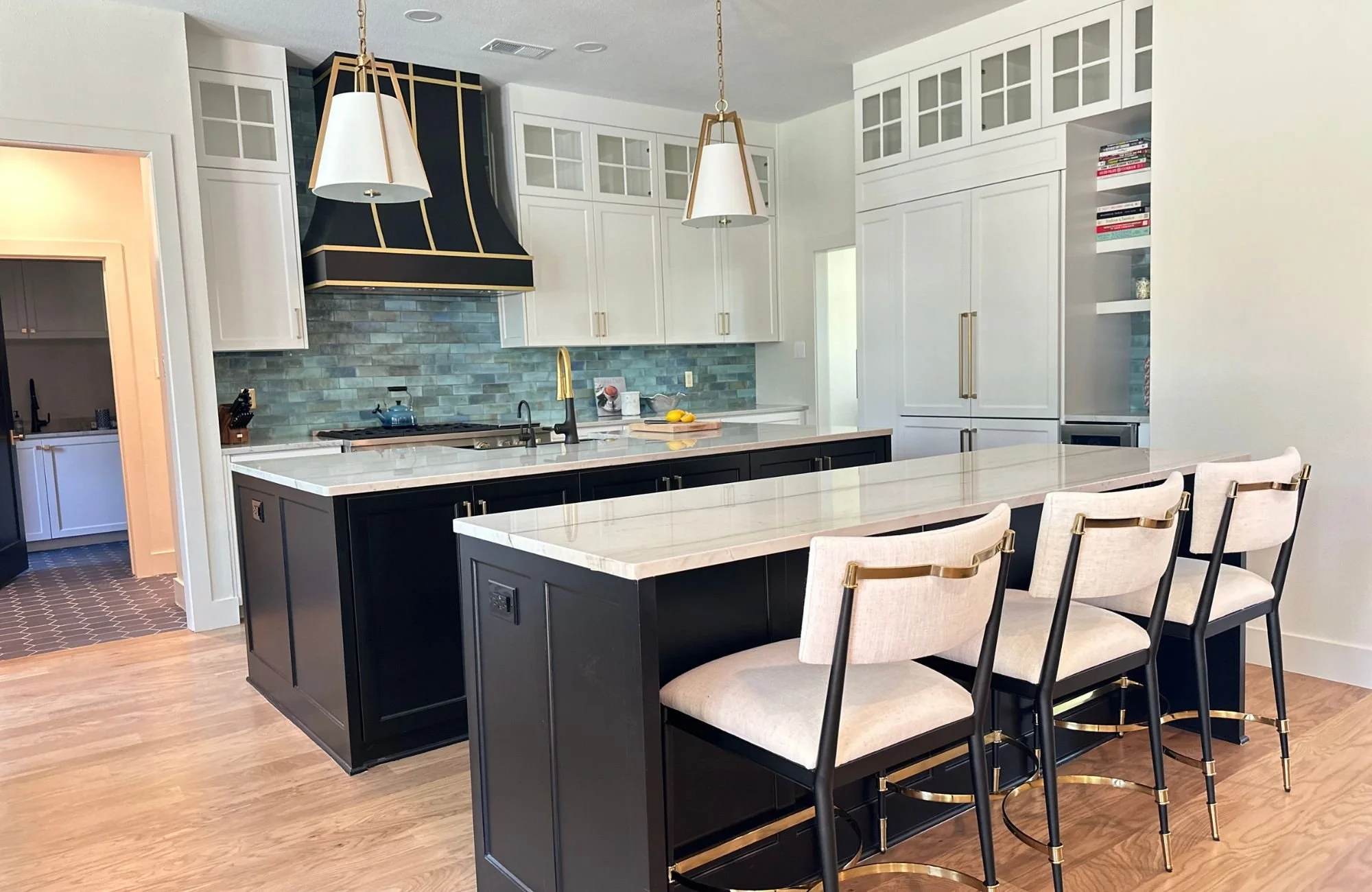
Choosing a Surface That Lasts
Selecting the right countertop material isn't about finding whatever is trending at the moment. It's about understanding the tradeoffs clearly enough to choose a surface that will still feel right five years from now, long after the excitement of a renovation has settled into everyday life.
Ready to plan your kitchen renovation? Let's connect and discuss your project and the surface that will work best for your home.
Warmly,
Adrienne